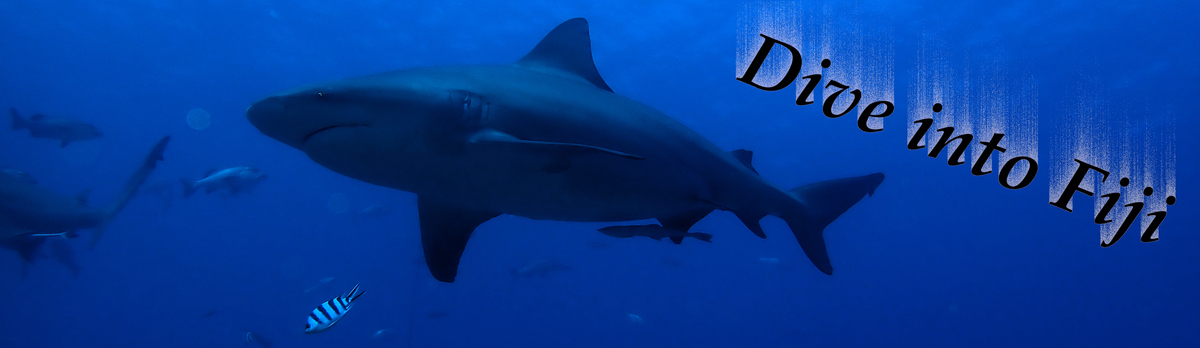
Fiji, Underwater (June 22 - July 04, 2026)
Snorkeling and SCUBA
We love exploring the underwater universe, both by snorkeling and by SCUBA. Snorkeling is great for not requiring much gear, and lends itself well to spontaneous " Let's hop in and see what's here! " moments, while SCUBA is fairly expensive, requires bulky gear, and often involves a guided boat ride out to a dive site. On the plus side, SCUBA generally lets us see the larger fish living in deeper waters.
Last time in Fiji (2005) we ranked it as the best place we had dived: we hoped that this visit would be as enjoyable. Fiji did not disappoint! Here's a selection of the great underwater life we've encountered.
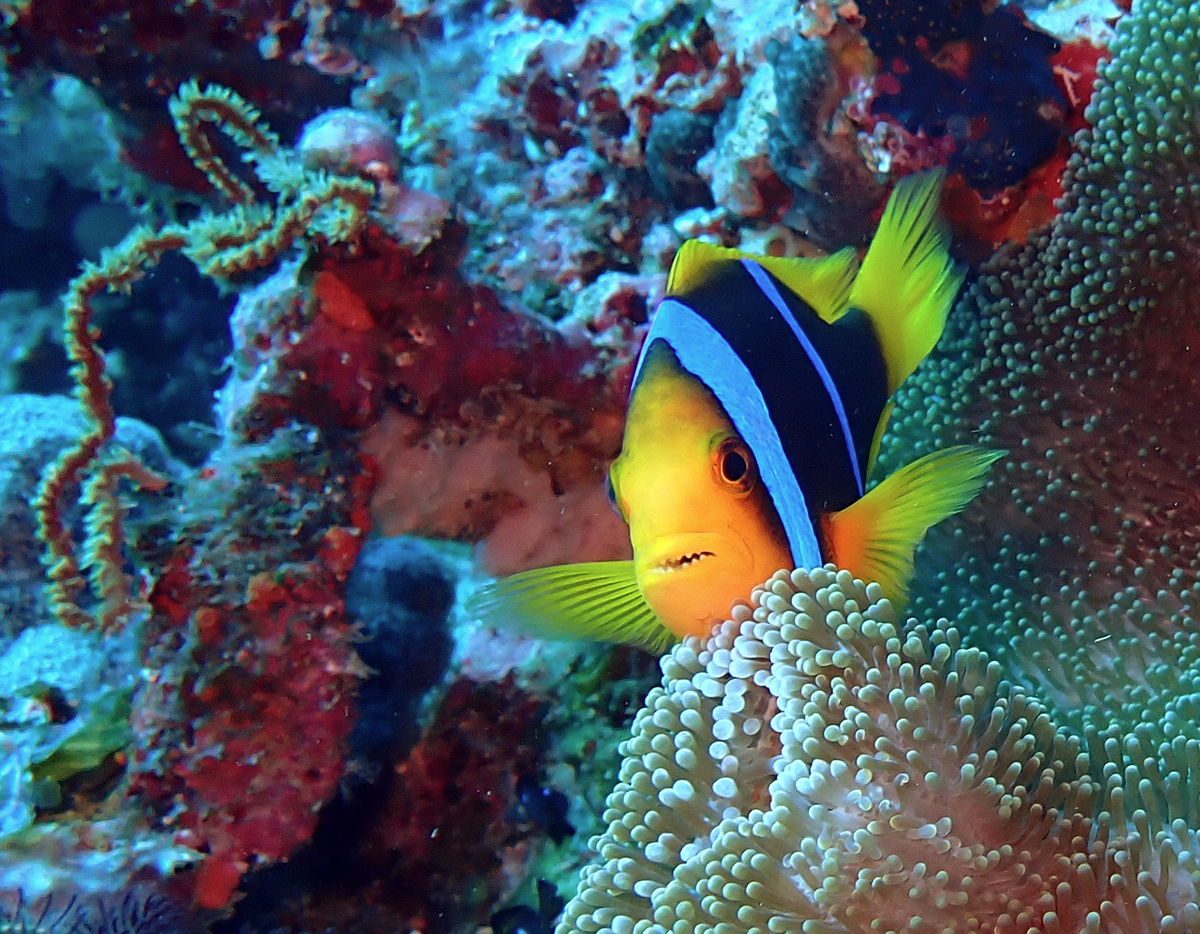
Let's start with everyone's favourite - the Clownfish. Find a sea anemone with its stinging tentacles waving, and you'll often see one or more of these fierce fish guarding their territory. |
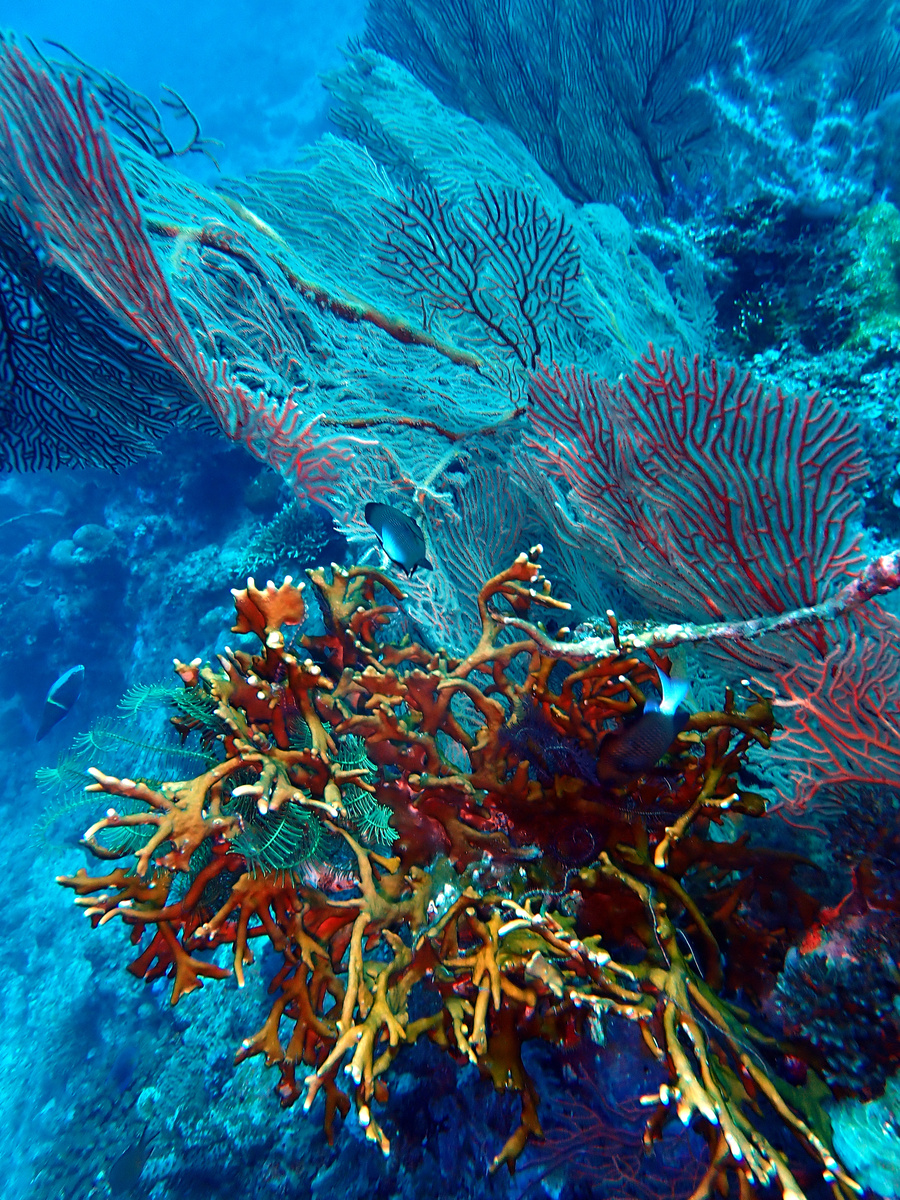
It's great when a site not only has lots of fish, but attractive corals too. Corals come in hard varieties (such as the tan-coloured staghorn in the foreground) and soft (like the sea fans waving in the background. |
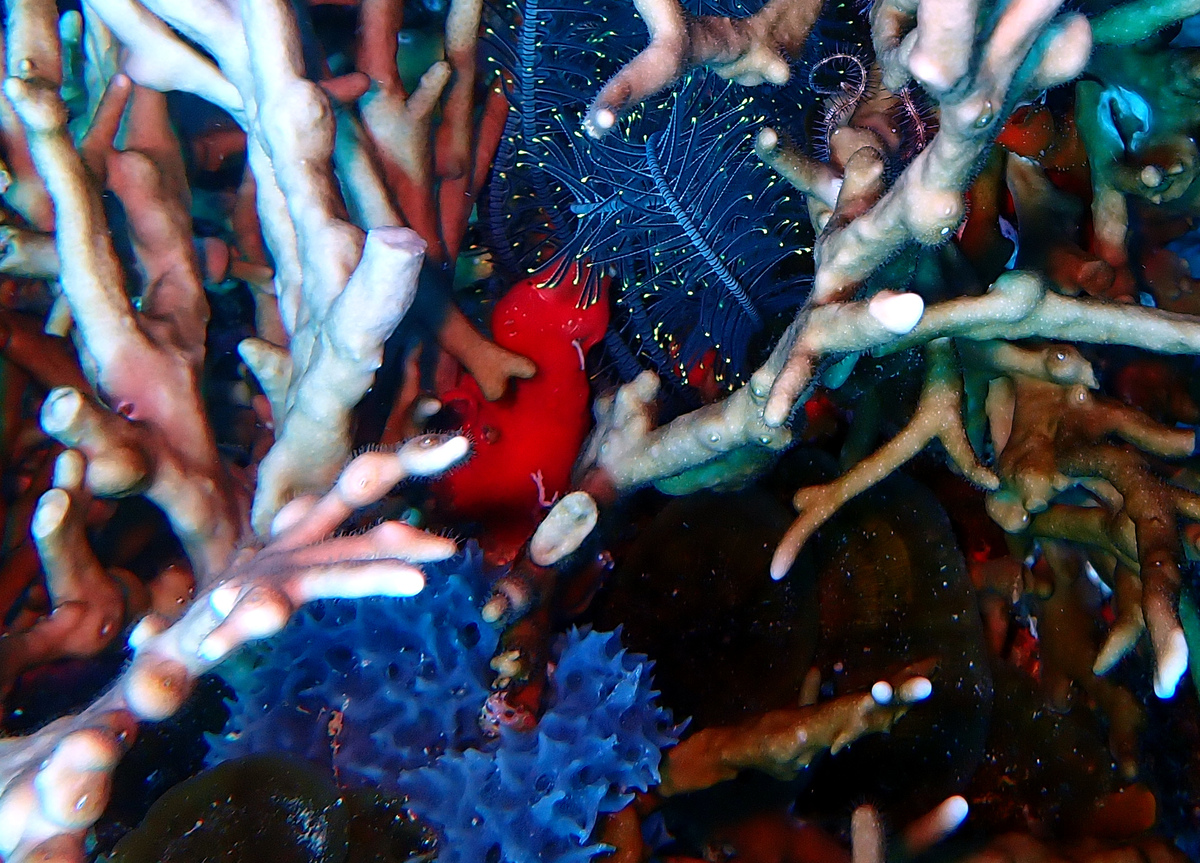
Two different types of sponge - a red and a blue - nestled in staghorn coral, plus a crinoid. |
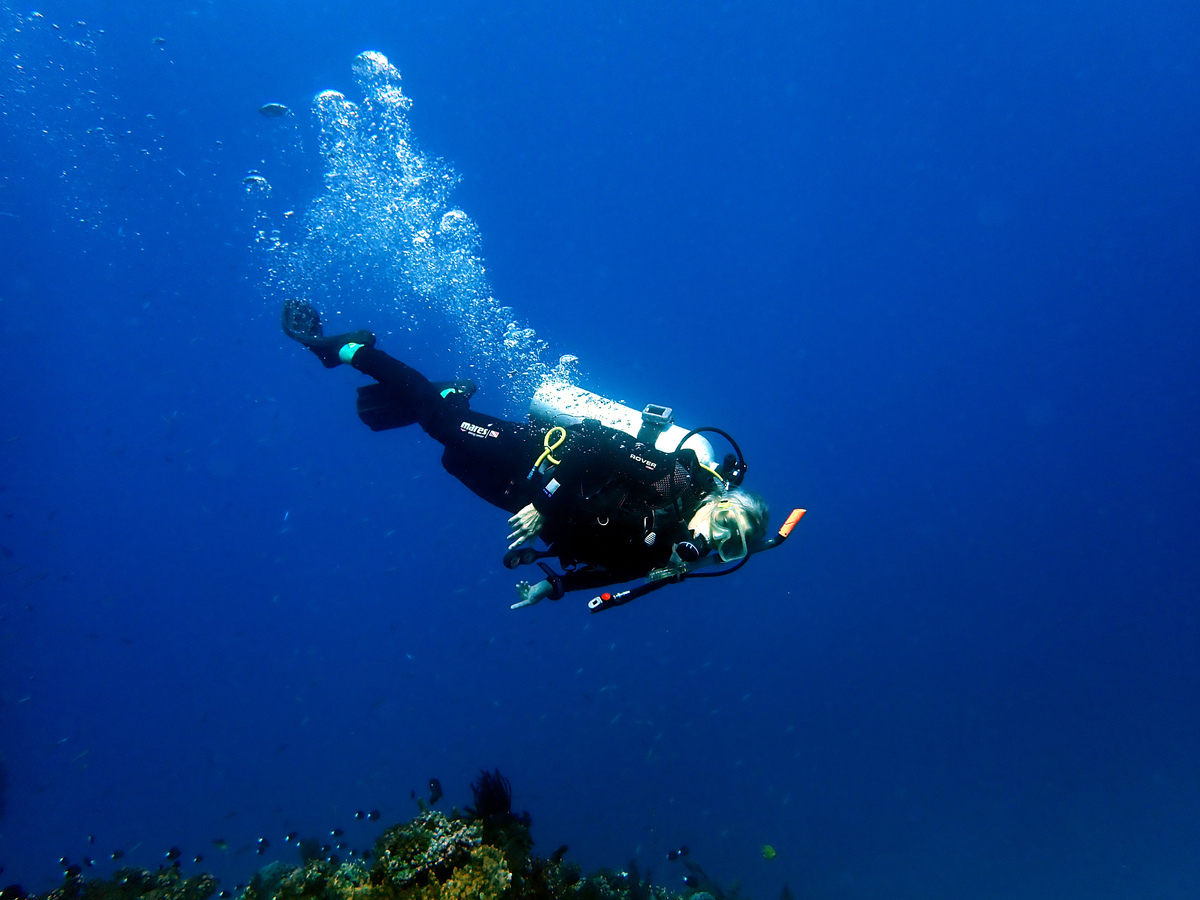
Water temps were around 26C, so a thin wetsuit sufficed to keep us warm. Most of our diving was shallower than 20m, and we stayed under for about 40 minutes. |
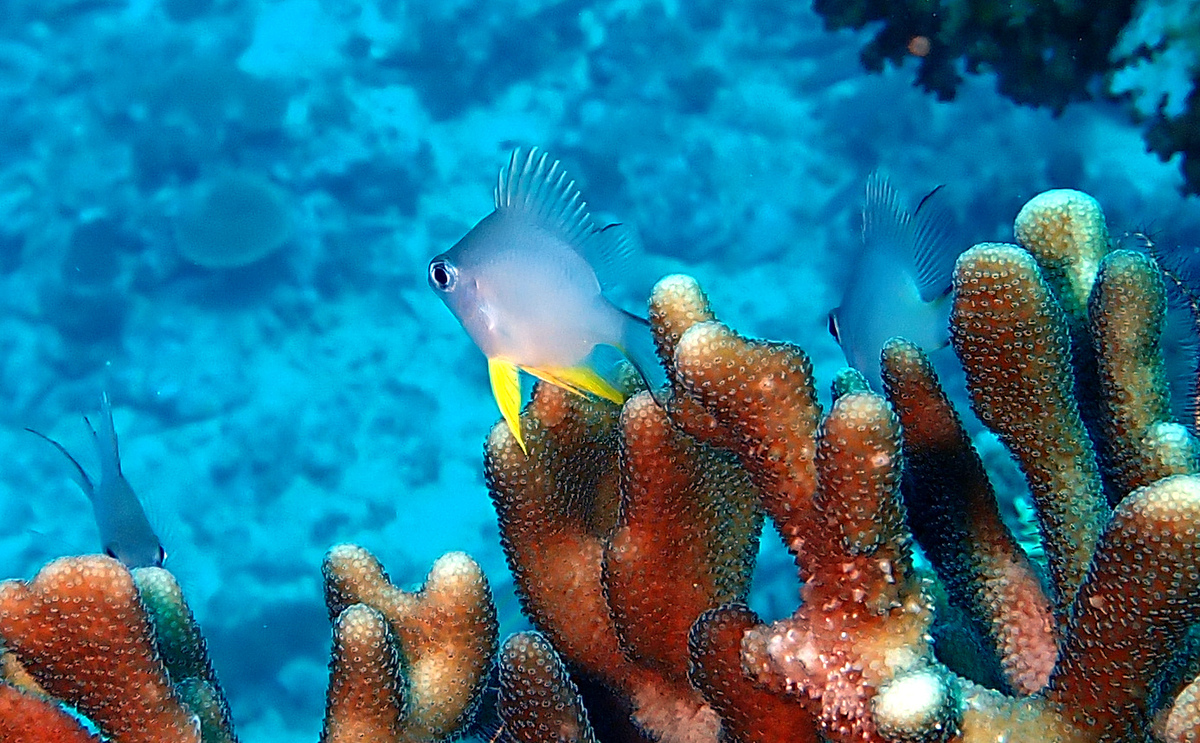
We have seen dozens of fish species, and have yet to identify most of them... |
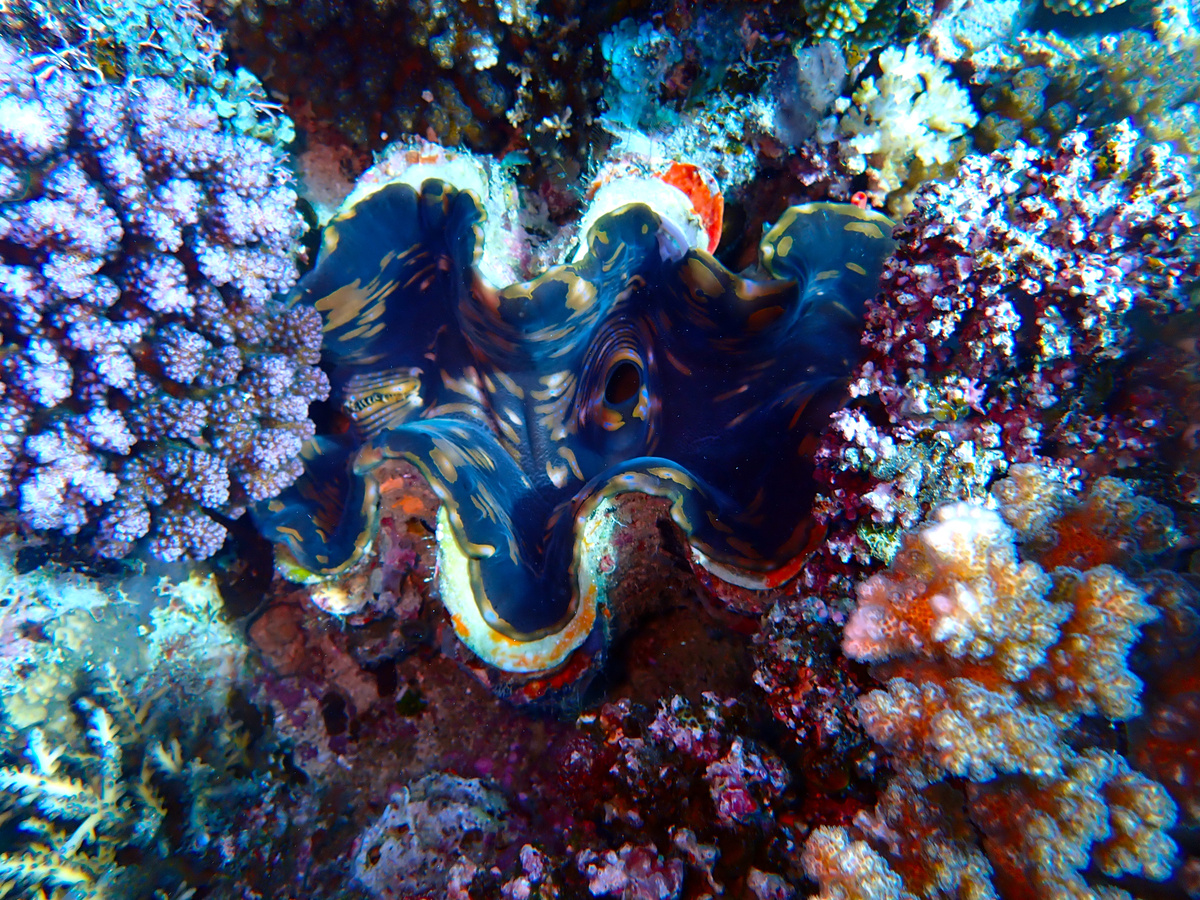
Tridacna clams sport mantles in many colour combinations. Most of these clams we've seen in Fiji have been 5 - 10 cm across, but they can grow to more than 1m |
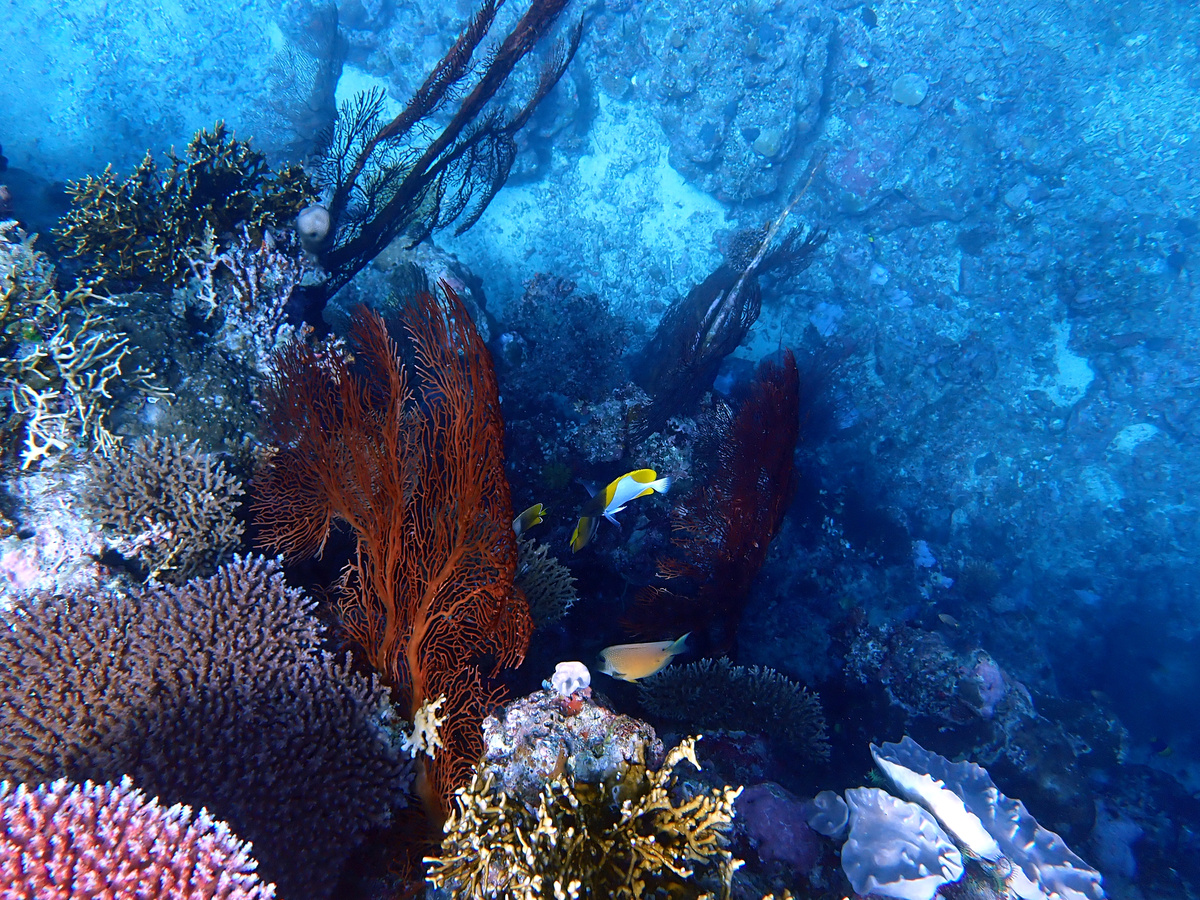
The variety of textures and coral shapes never cease to amaze. |
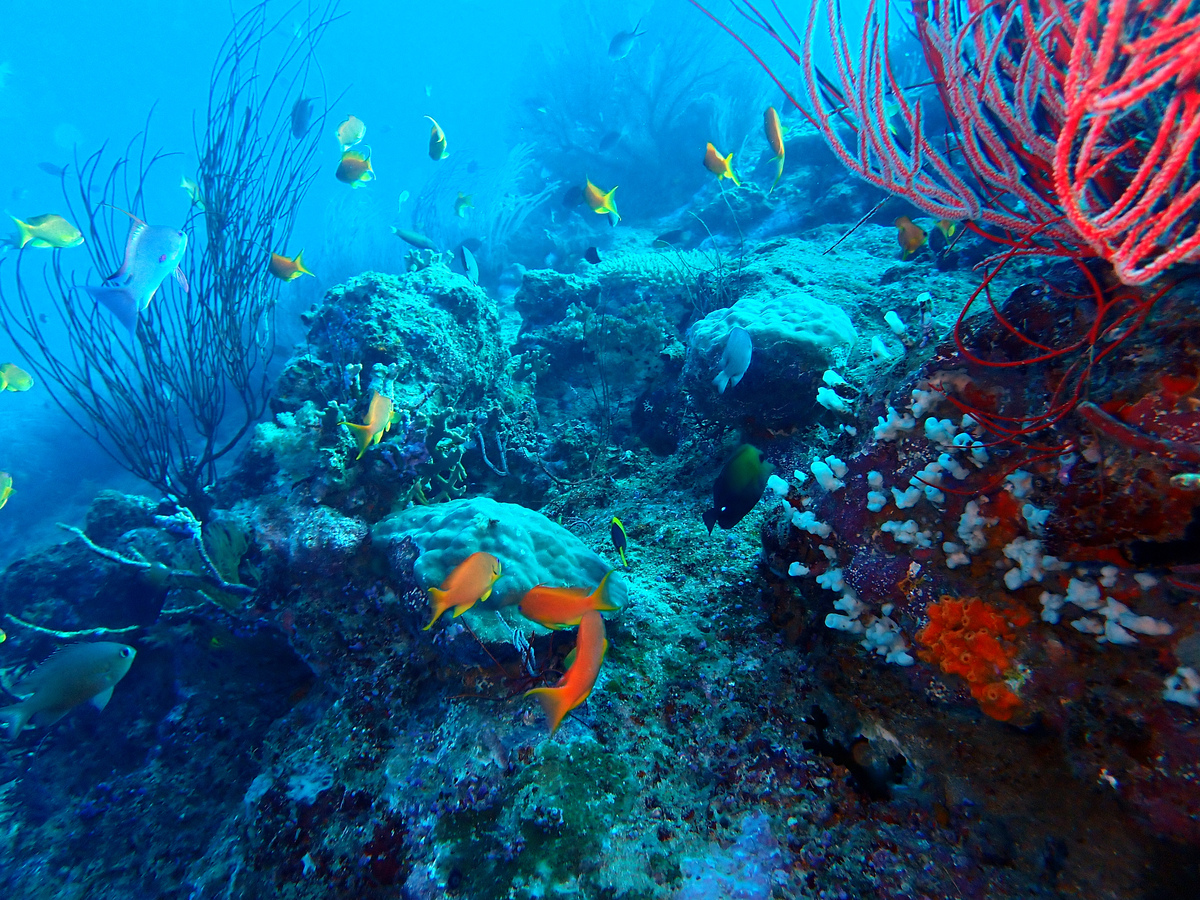
Red light doesn't penetrate water as easily as blue and green, which is why most underwater objects have a distinct blue cast. A camera flash provides a fuller spectrum, revealing the red and orange hues of many fish and corals. |
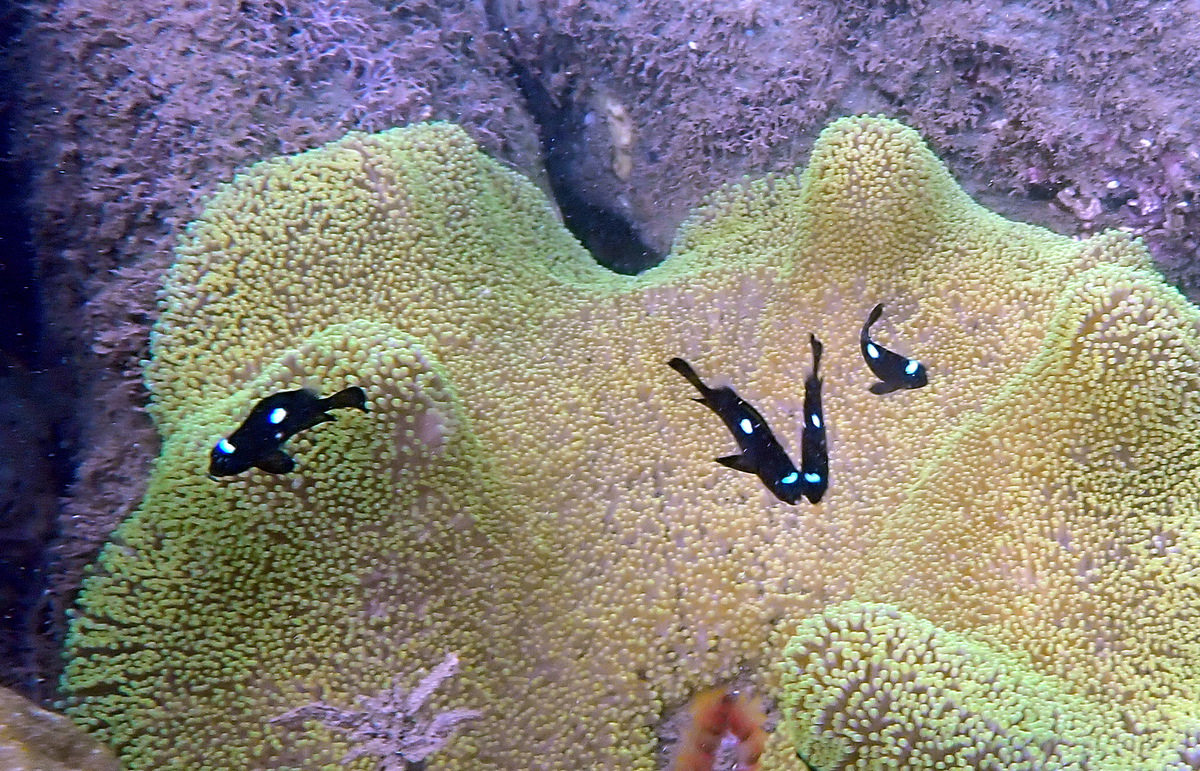
As with Clownfish, the Juvenile Three-Spot Dascyllus (Domino Damselfish) hang out near anemones to take advantage of their protection. |
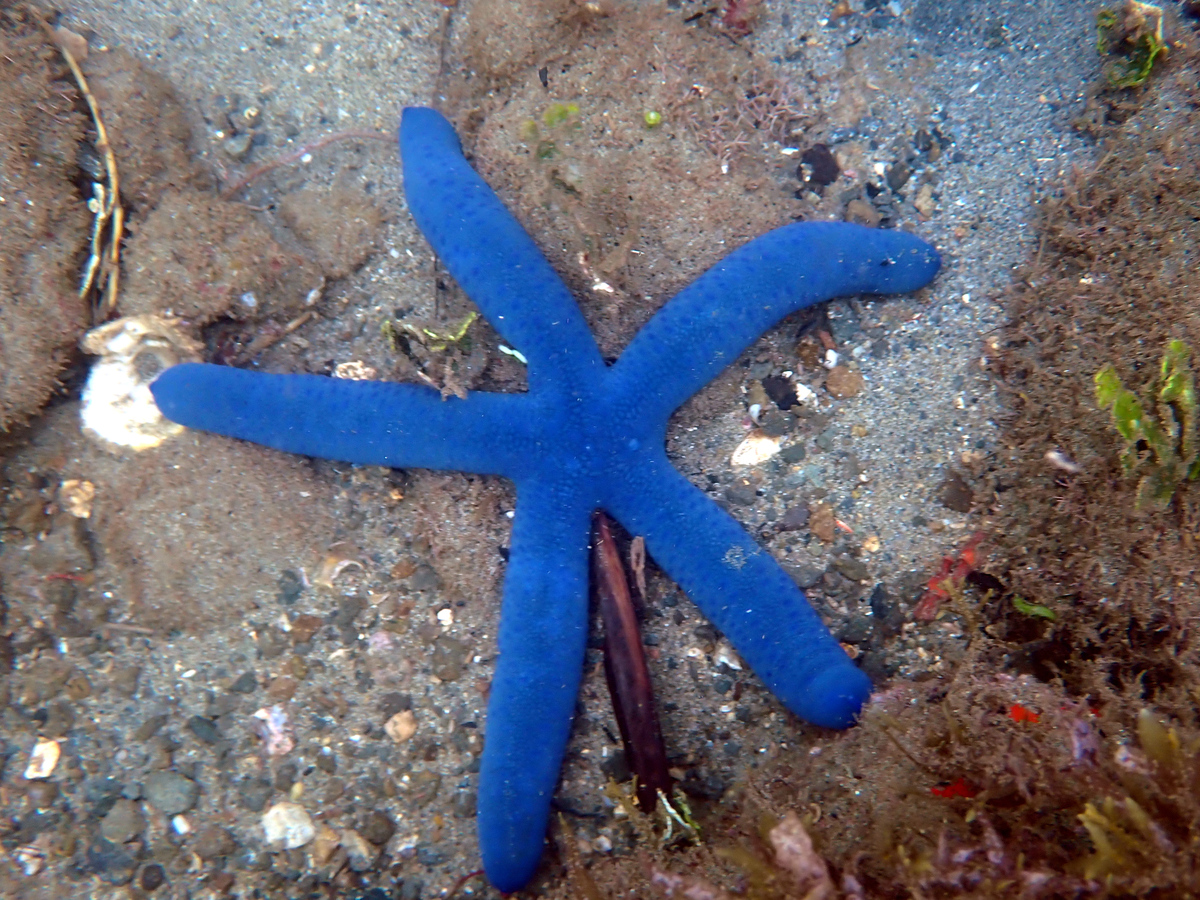
A pretty blue sea star. |
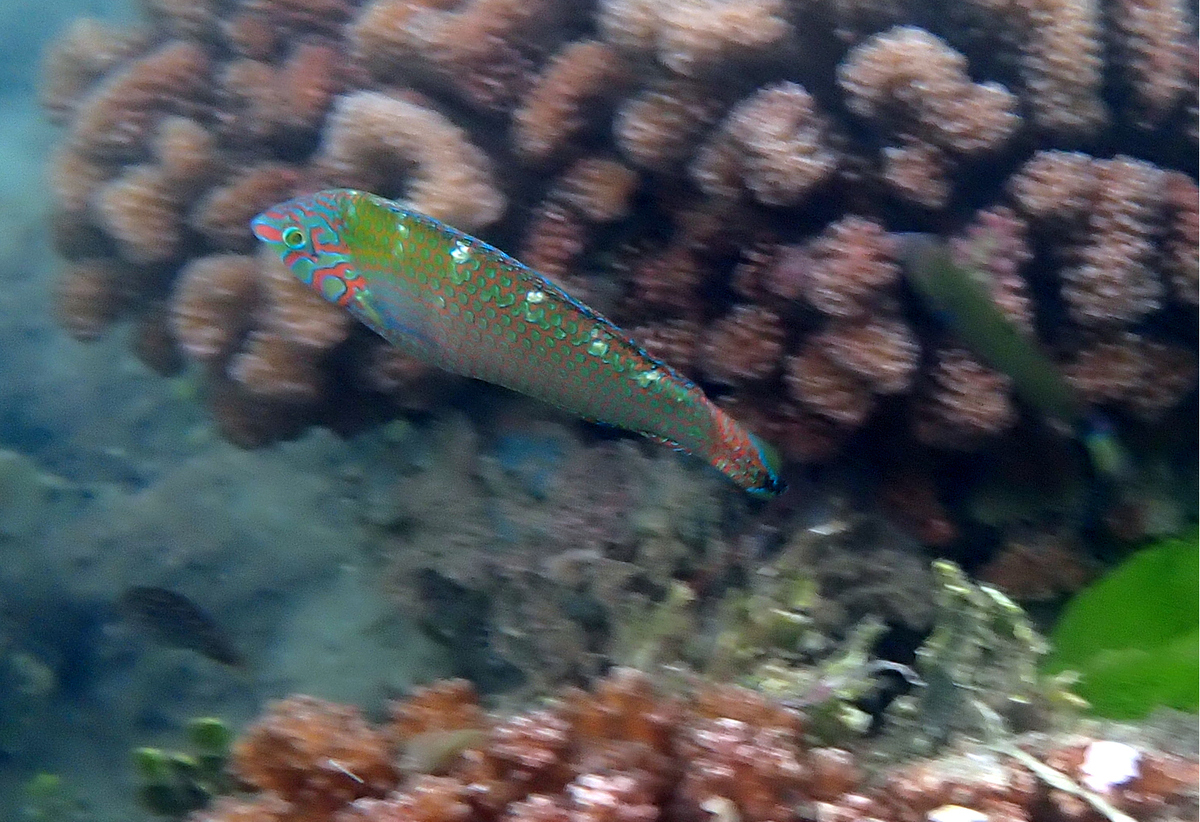
This is likely a Claudia’s Wrasse (Halichoeres claudia), also known locally as the Christmas Wrasse. |
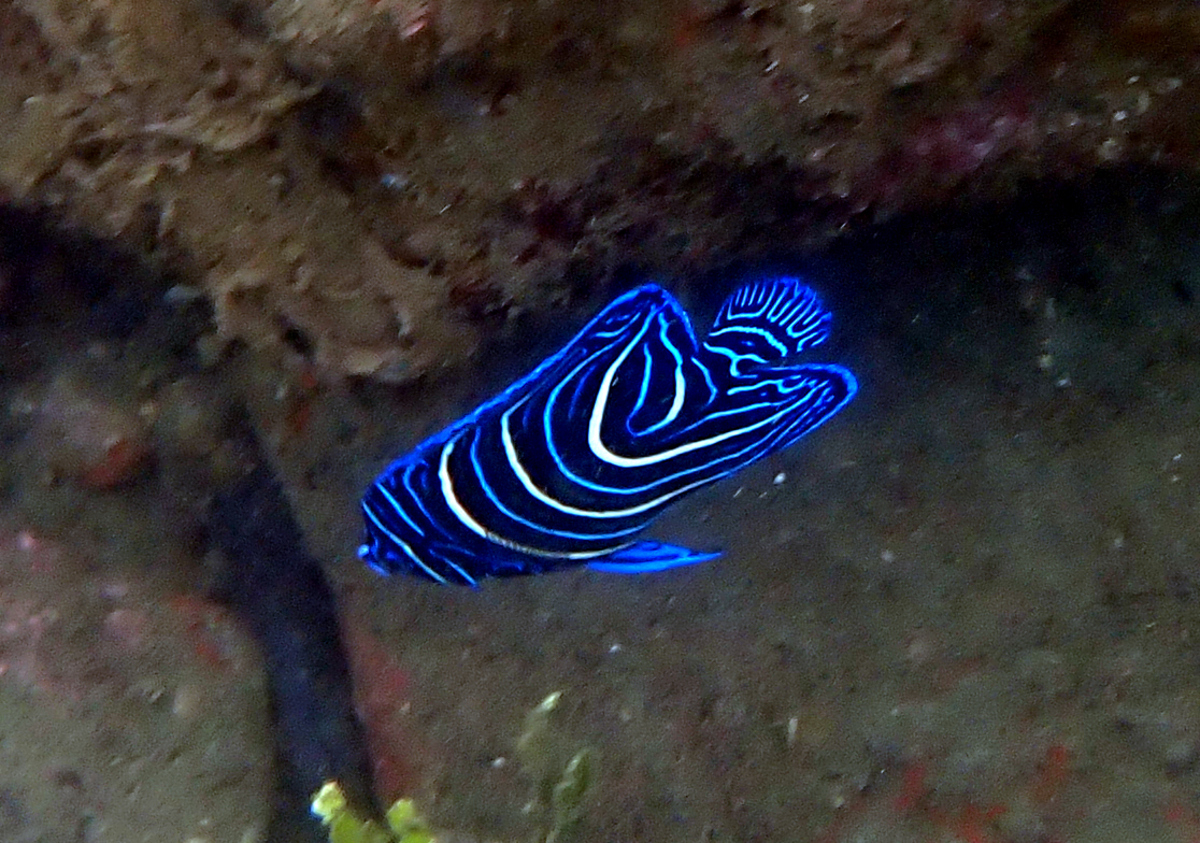
Juvenile Emperor Angelfish. |
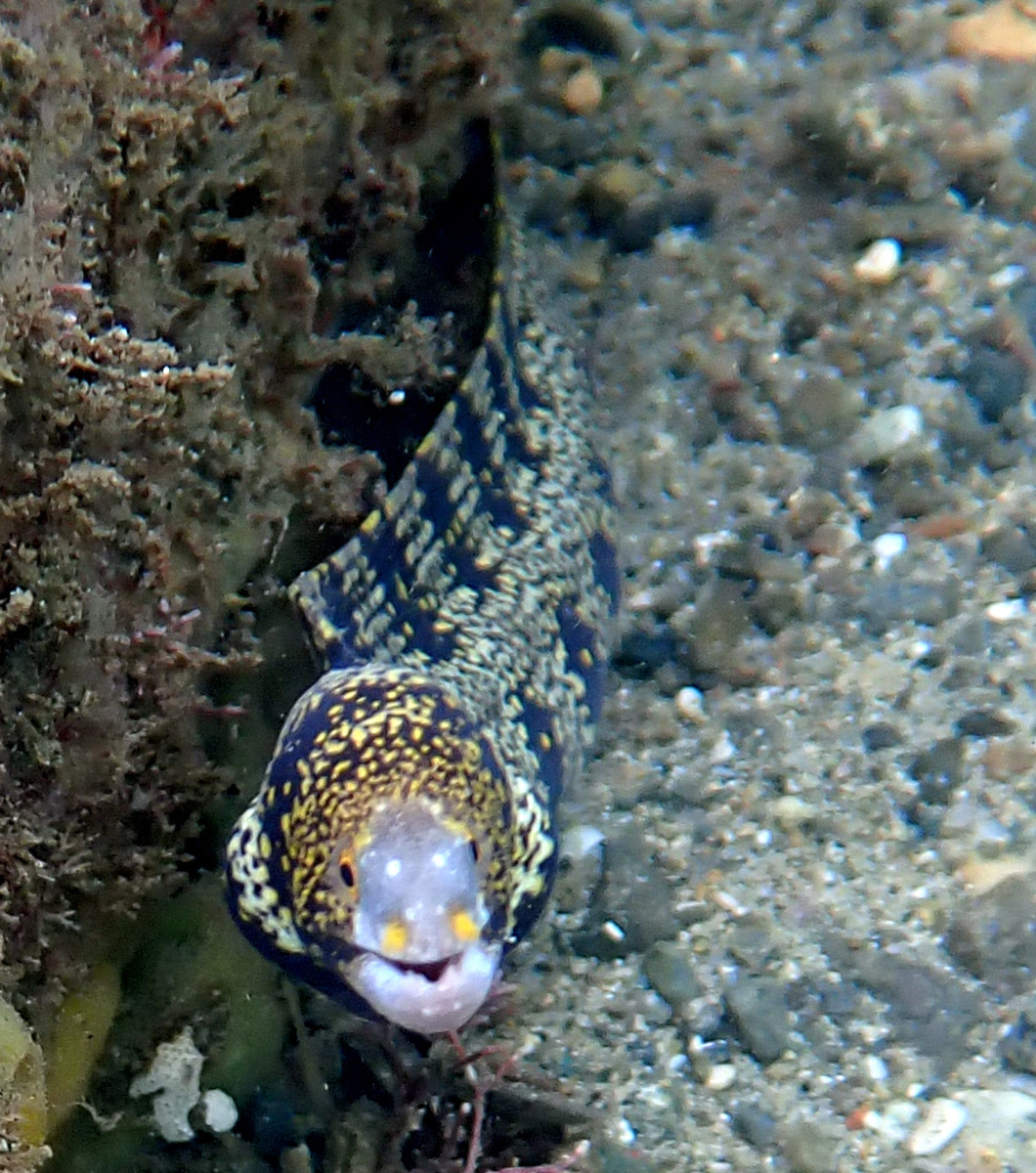
Snowflake eels sport a pretty pattern along their bodies, and a pair of yellow nostril protruberances, called nares. |
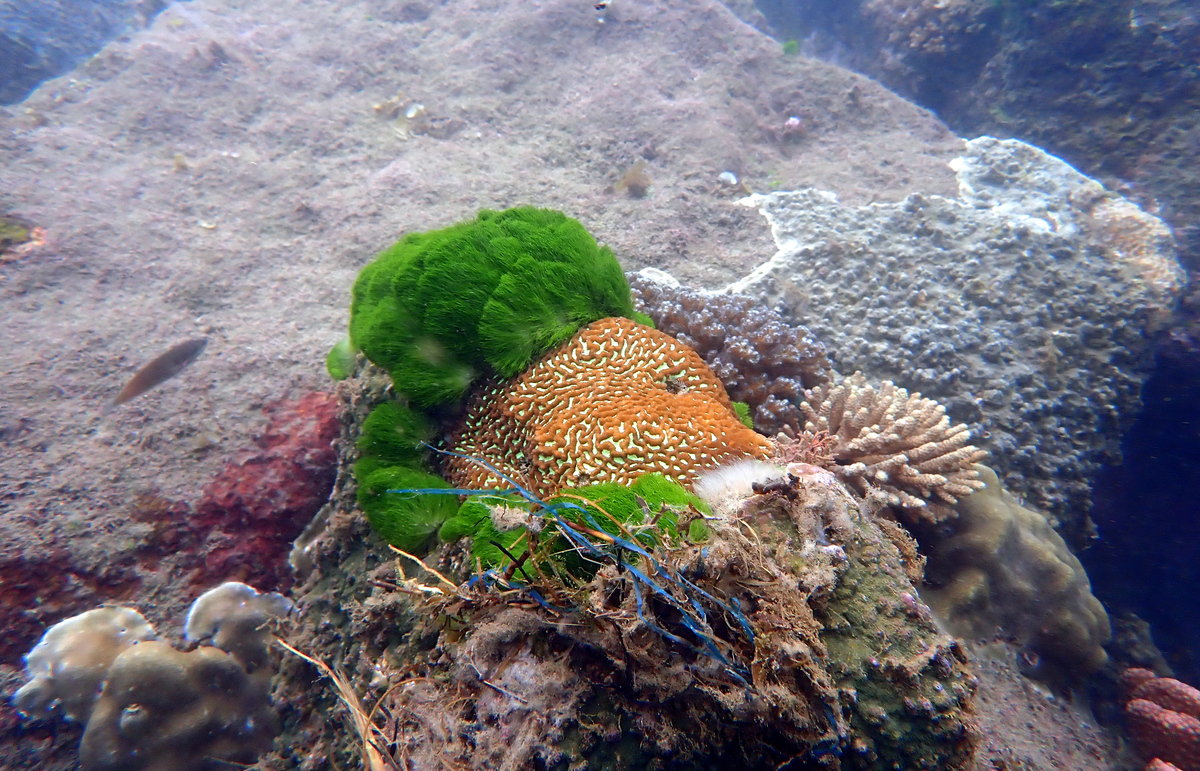
Sadly, there are also blue strands of plastic from a tarp wrapped about the pretty corals. |
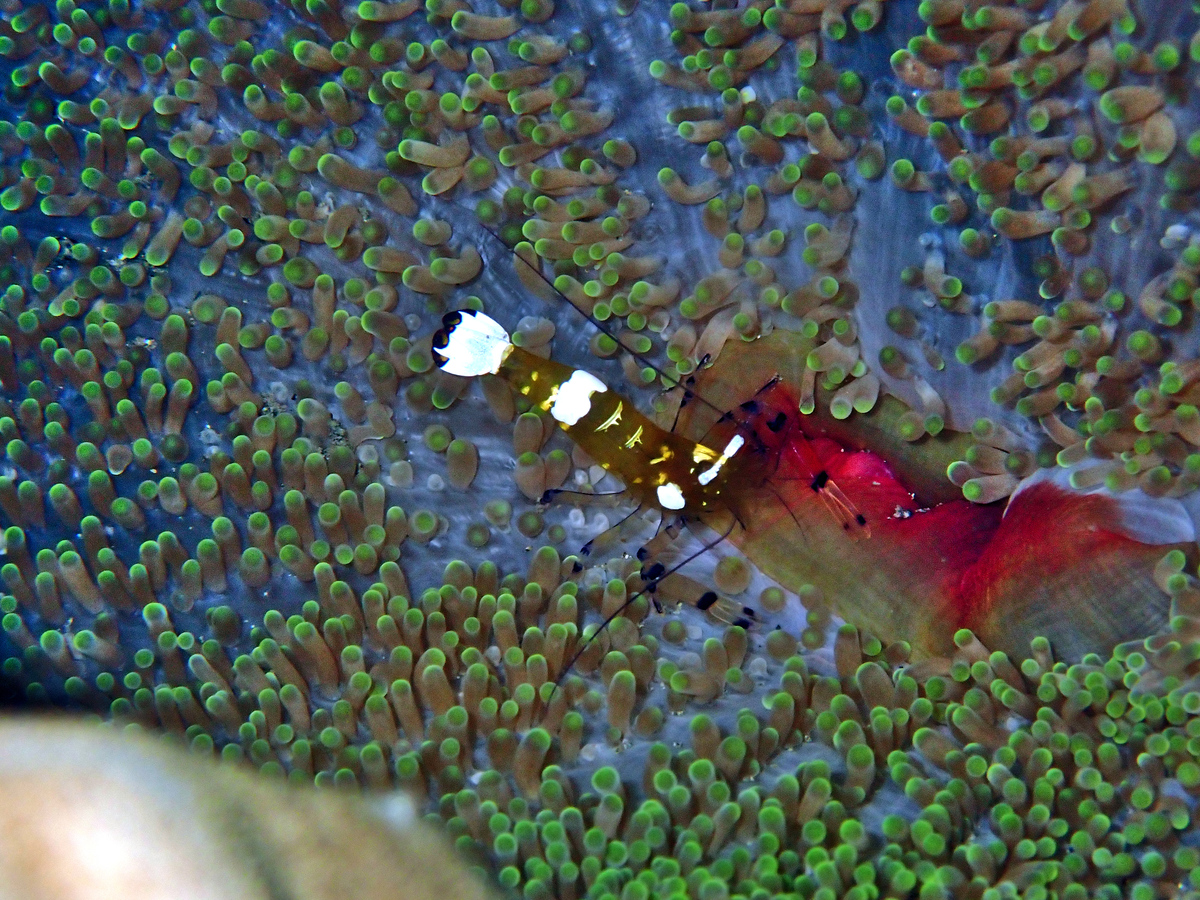
This Fijian Boxer Shrimp (closely related to the Banded Coral Shrimp) was about 20mm long. It loitered near the centre of a short-tentacled anemone, where it seemed to be picking away at a reddish object caught in the anemone. |
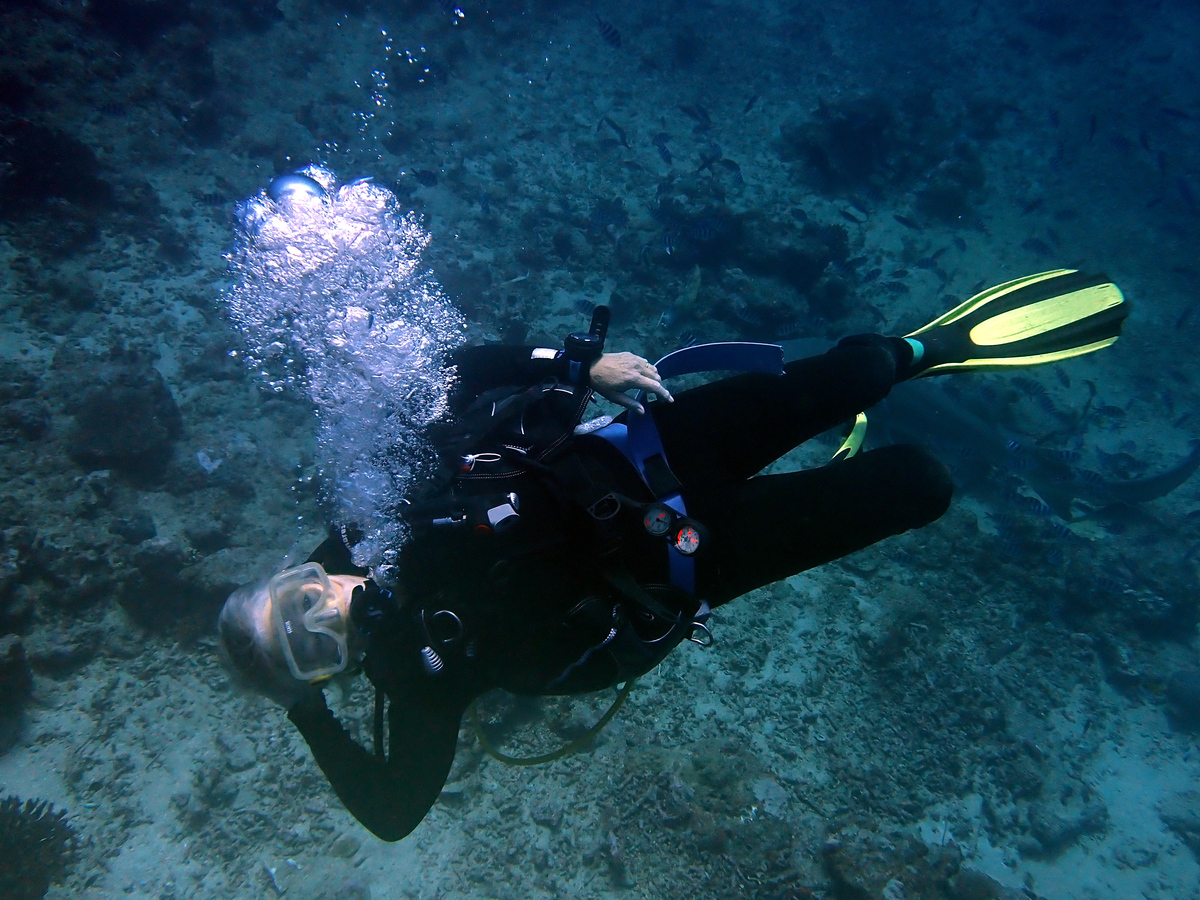
It had been a while since our last dives, but pretty quickly we felt comfortable in the clear tropical water. |
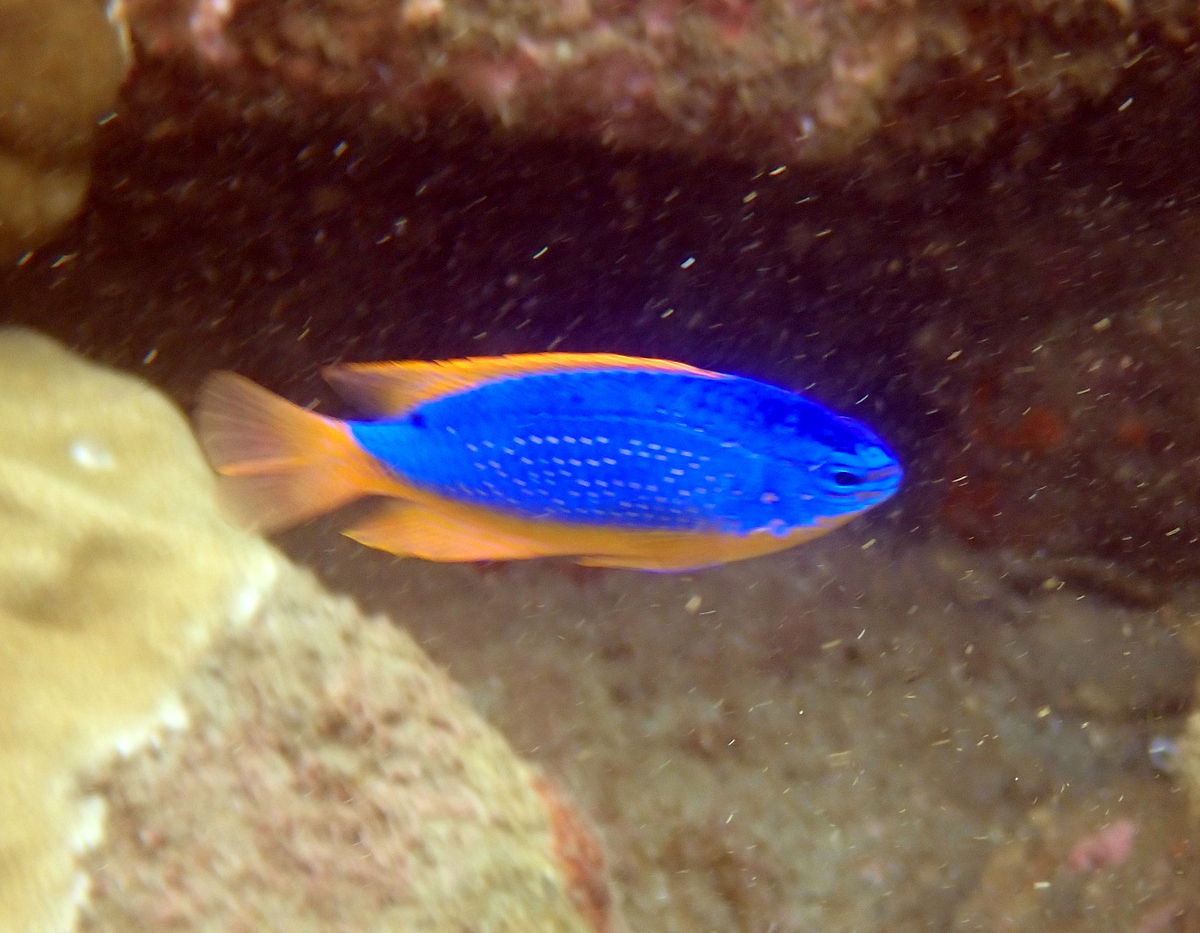
Many baby fish don't resemble their adult parents at all - this brilliant blue and yellow juvenile damselfish will take on a brown/black shade when grown. |
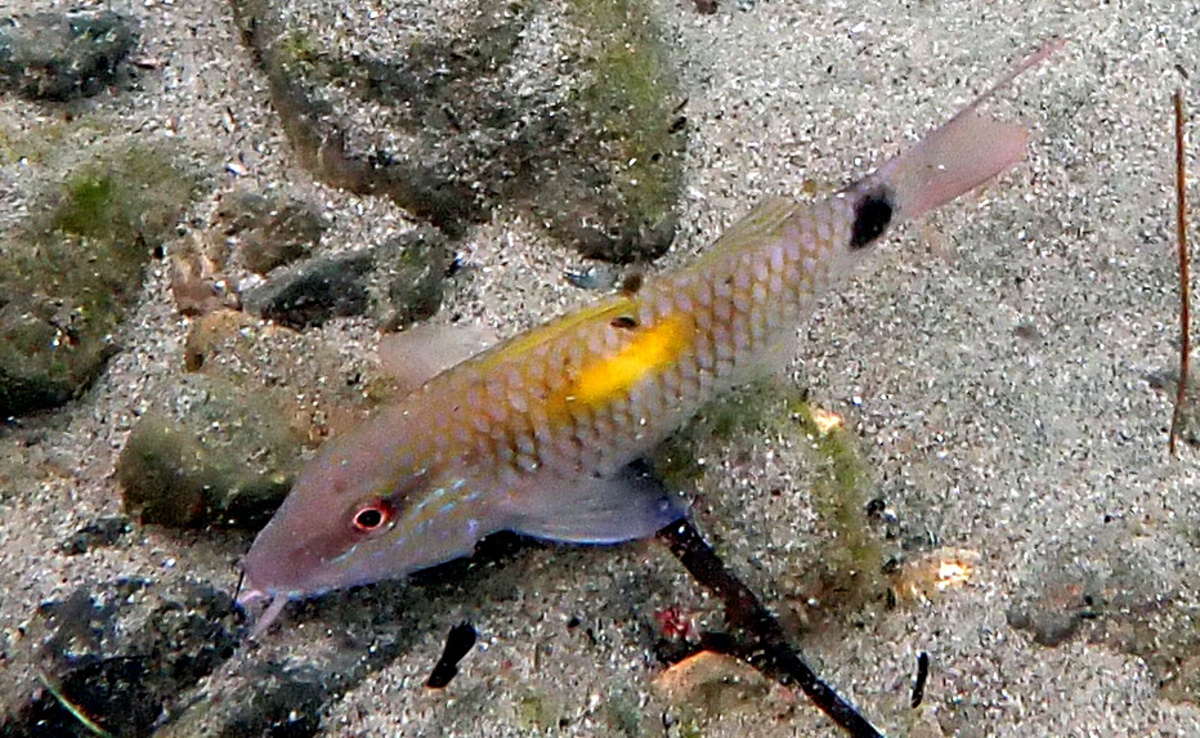
Members of the goatfish family graze along the sea bottom, stirring up food from the sediment using their pair of appendages on their loqwer jaw. |
Sharks!
It was expensive, but totally worth it: we paid for a two-tank shark dive, where a 10-minute boat ride brought us to a patch of reef. Aboard the boat was a yellow bin, similar to those used for recycling or garbage, holding a selection of fish heads and tails used to attract the sharks. At the dive site we hopped in and descended 20m to kneel behind a line of coral rock. Several dive staff accompanied us and wielded 10-foot poles to discourage the sharks from coming too close.
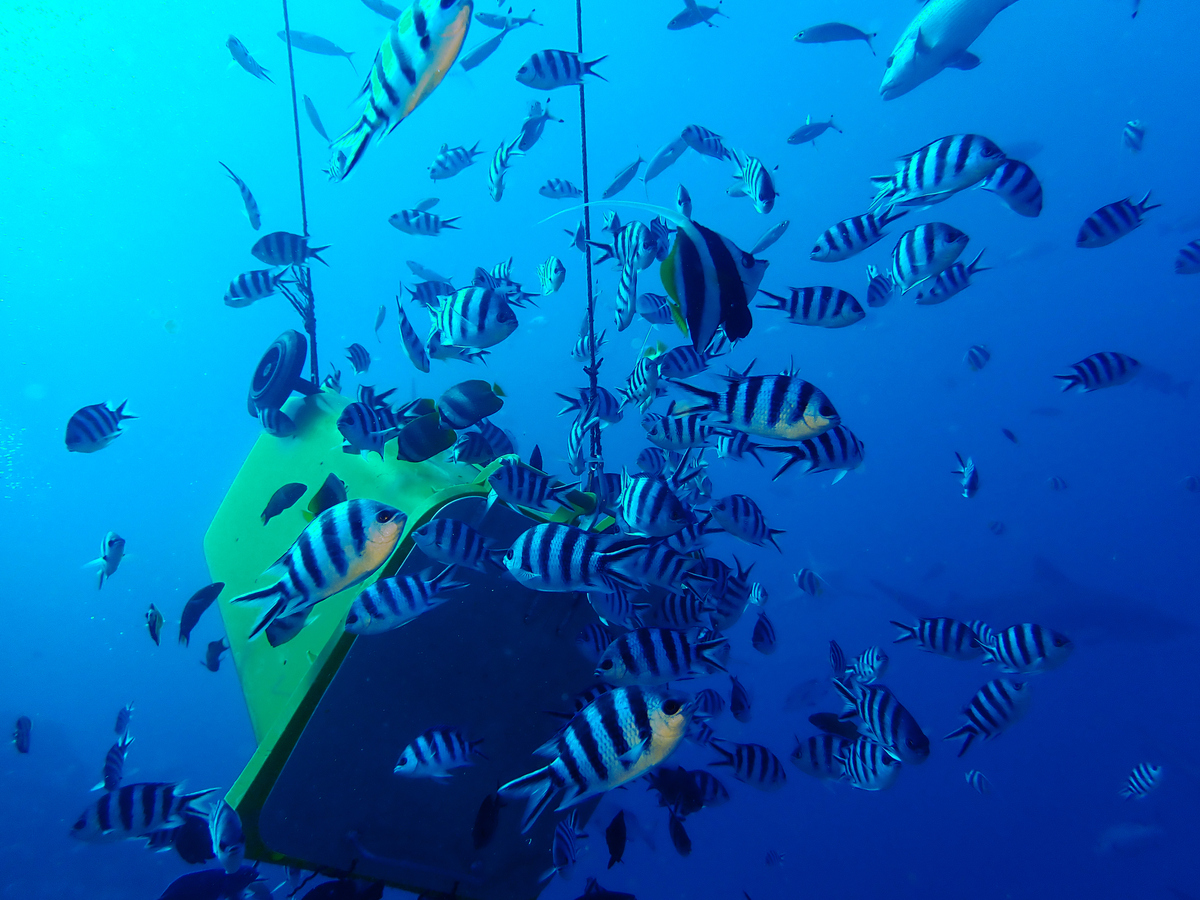
The lid on the chum bin was kept closed, yet quickly attracted a large school of Sergeant Majors and a few Moorish Idols. |
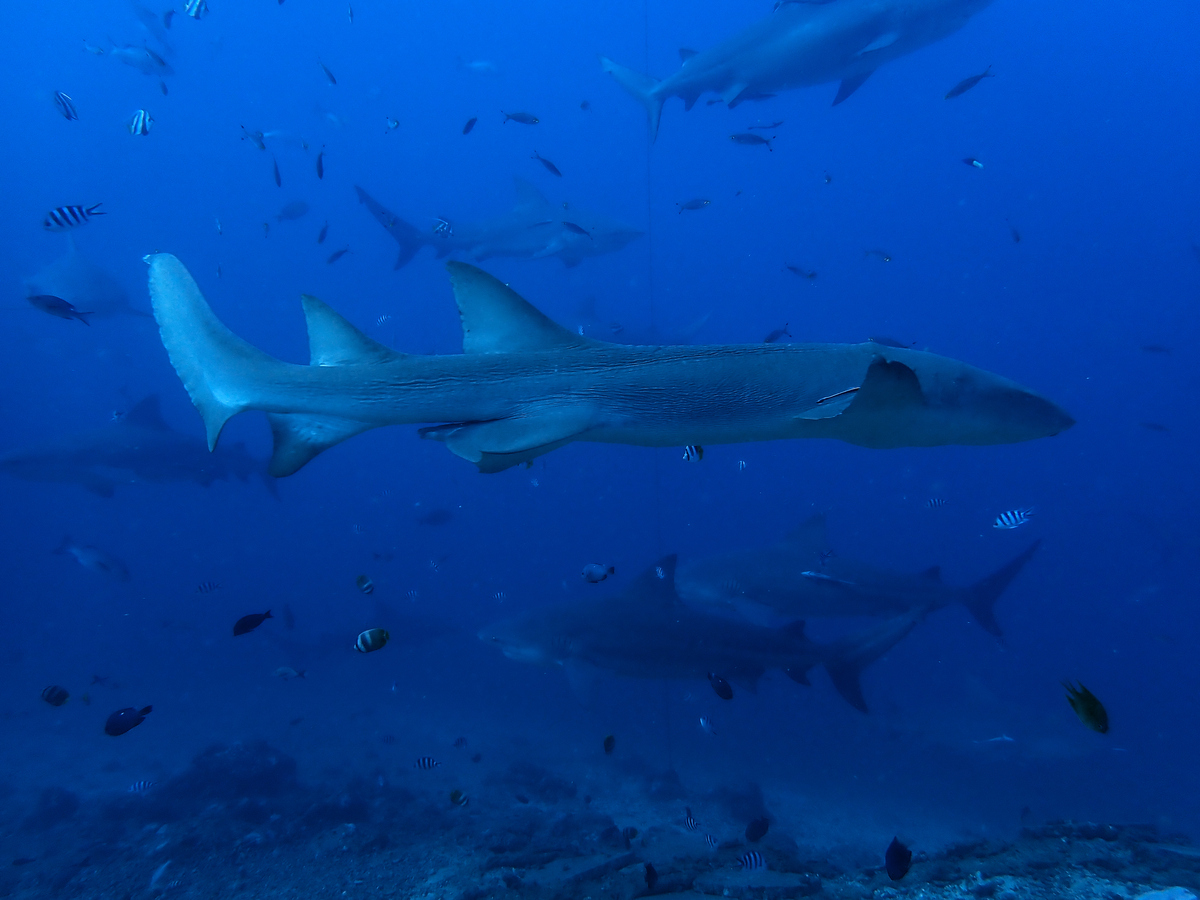
Nurse sharks spend a lot of time lying on or feeding along the bottom, so their profile is fairly long and flat along their bellies, and their tails have a shortened lower lobe. |
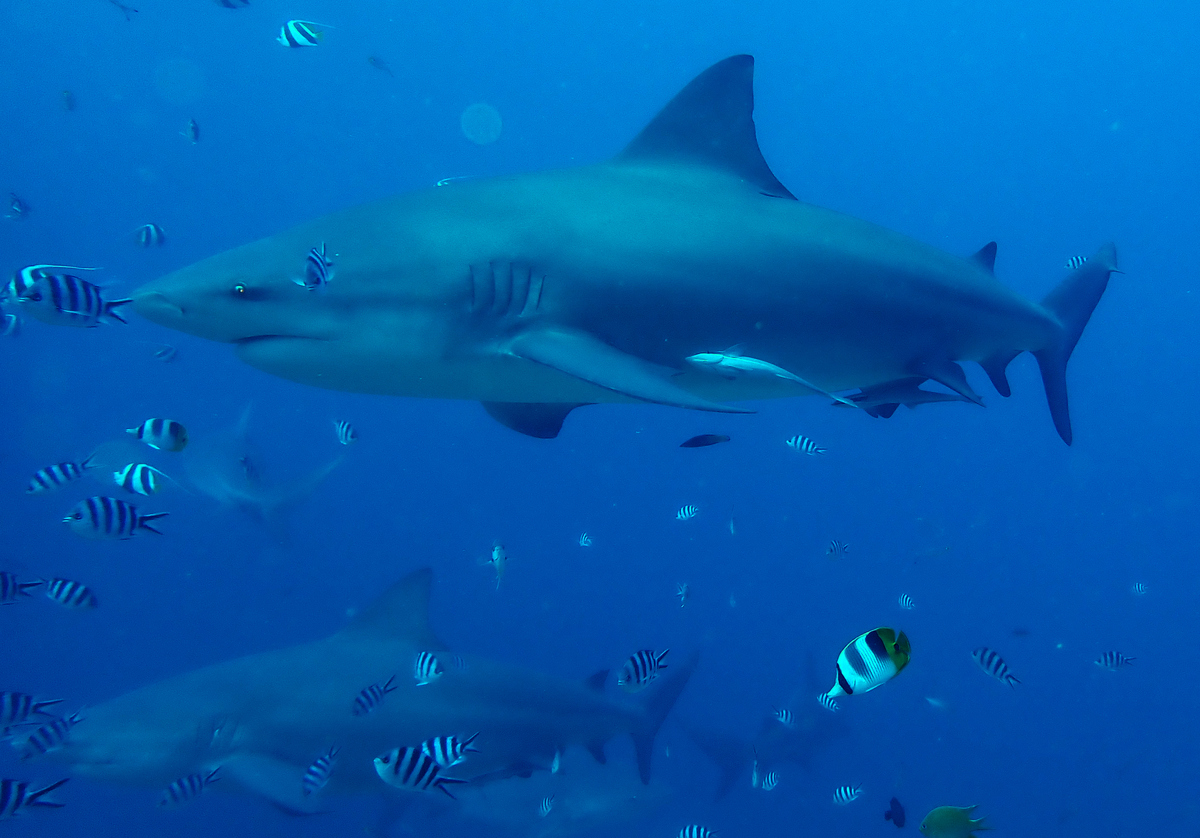
Bull sharks have a more chunky body and classic shark shape. The ones we saw on this dive were between 2 and 3m long |
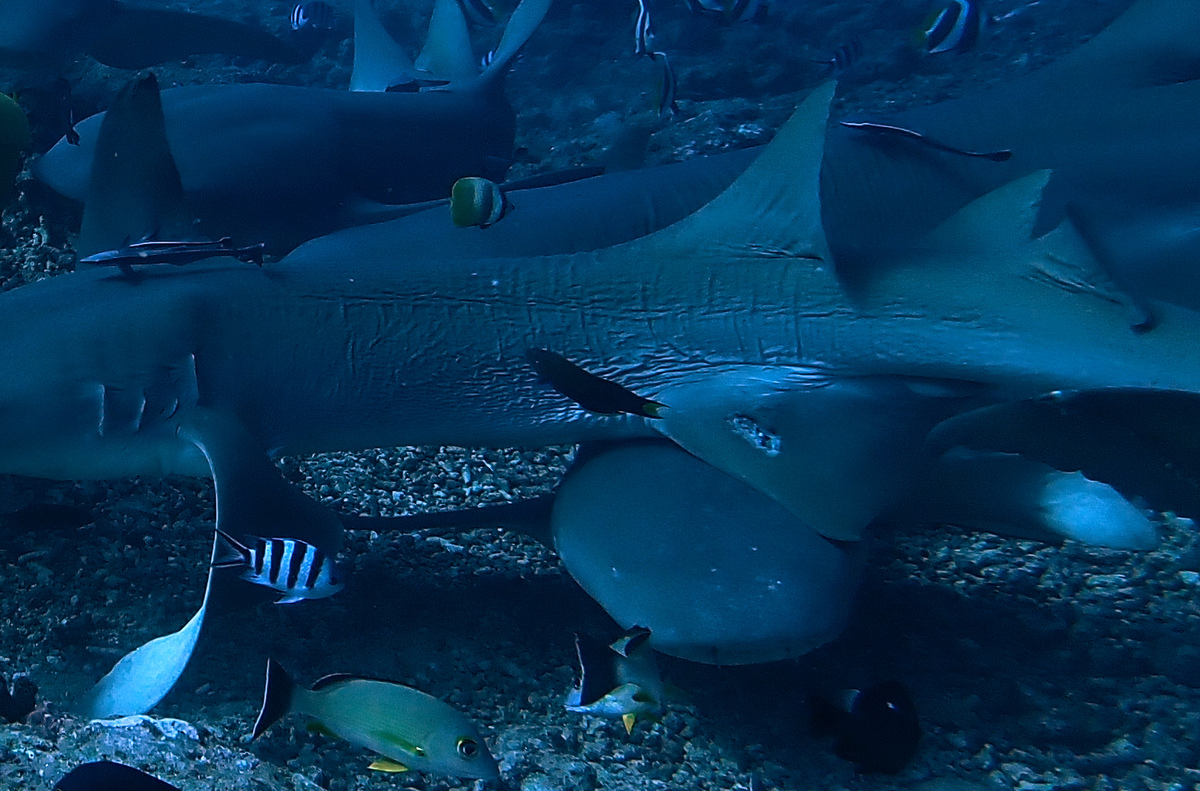
This nurse shark didn't look healthy: wrinkly skin covered an emaciated body, and it had multiple rips and wounds on its fins. |
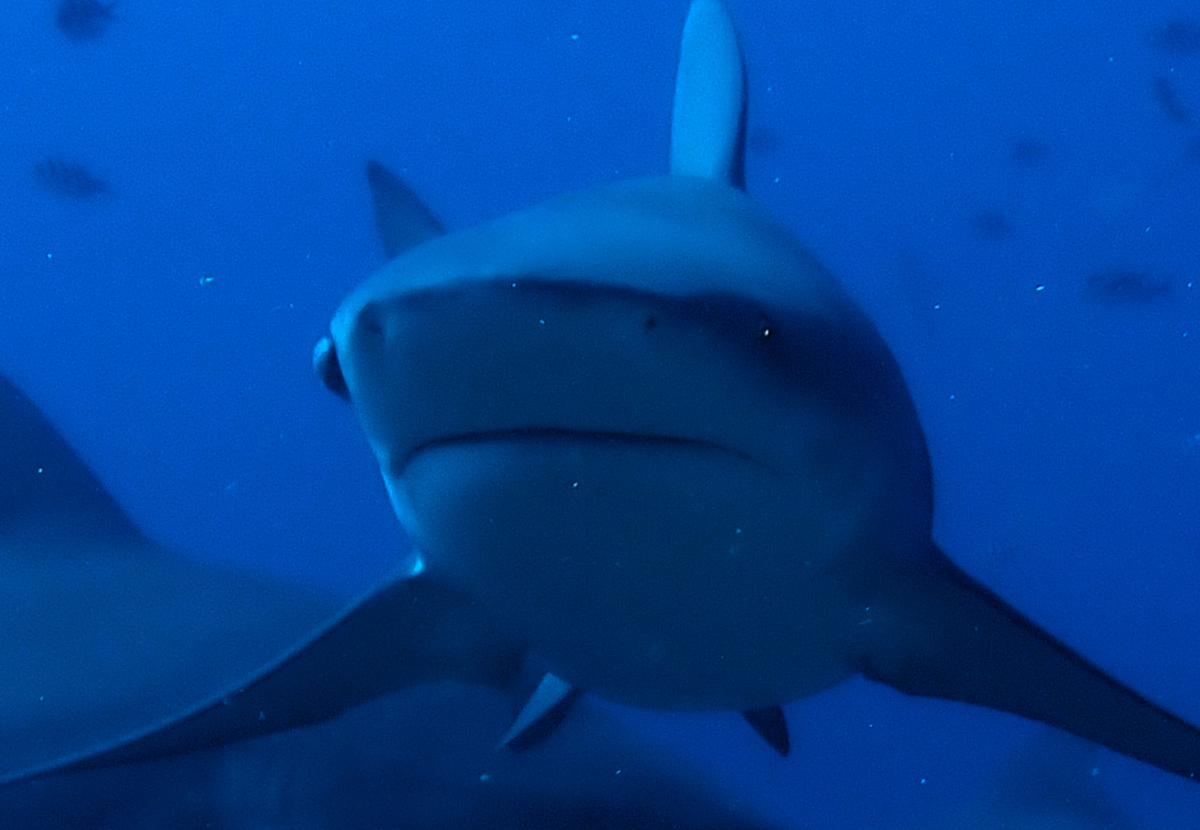
Though not overly interested in us divers, the sharks did make several close passes. |
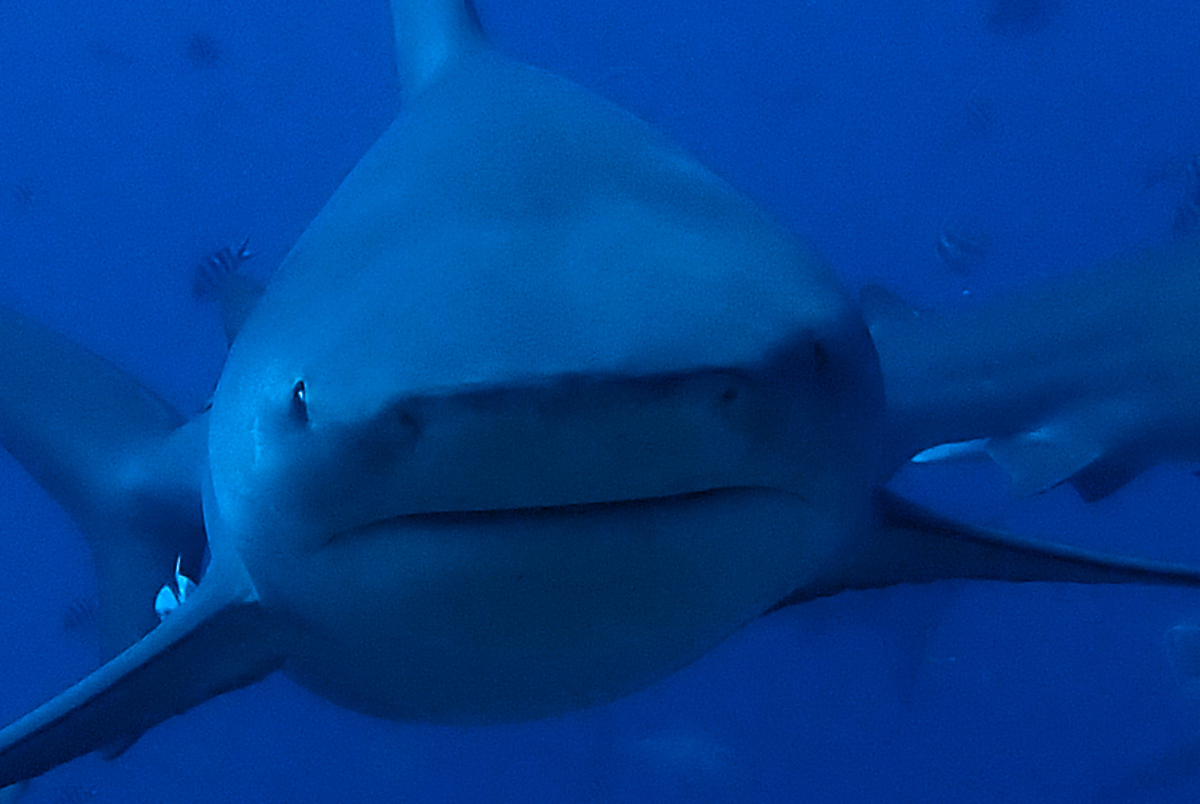
A somewhat intimidating view of a bull shark. |